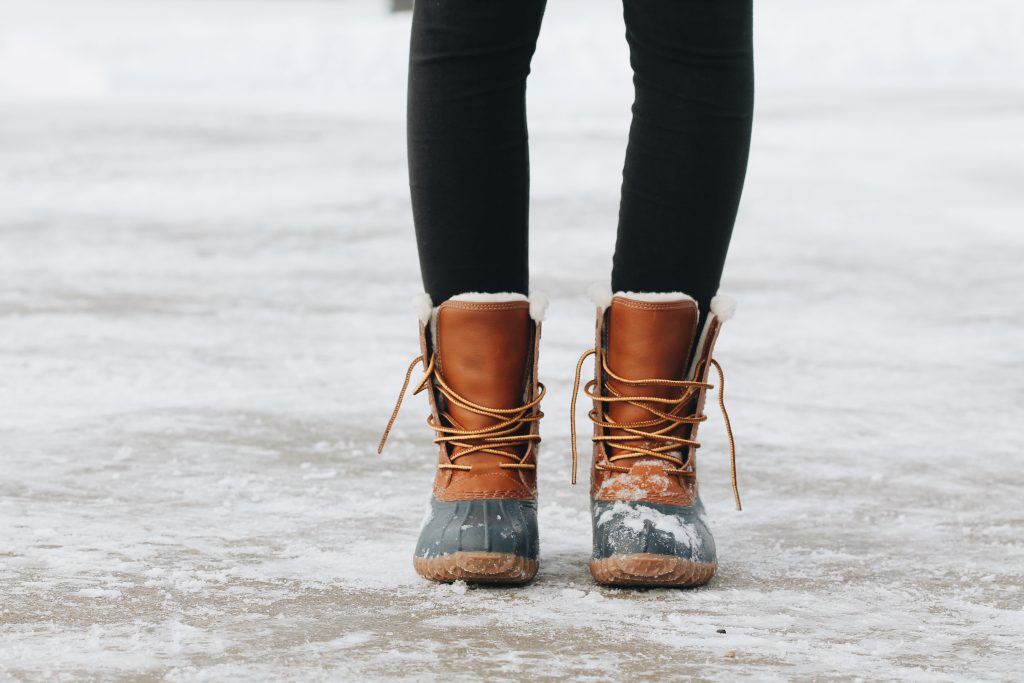
The winter season, with its frigid temps and icy conditions, brings about a unique set of challenges, particularly when it comes to ensuring our safety while navigating slippery terrains. Winter weather, like snow and ice, often coats roadways, sidewalks, and other surfaces, making them slippery. One of the most overlooked yet crucial aspects of winter safety is the choice of footwear. The right pair of shoes protects against frostbite and other cold-related illnesses. It also prevents slips and falls. This article will discuss the causes of winter-related slips and falls and how to avoid them. We will explore the importance of proper footwear, including the characteristics of the ideal winter shoe. By understanding the importance of proper shoe choice in winter, we can confidently traverse winter’s icy landscapes, minimizing the risk of slips and falls.
Characteristics of Ideal Winter Footwear
Choosing the correct type of footwear is essential for protecting yourself from injuries during the winter season. The most common type of winter footwear is boots. Winter boots provide the most protection from the elements and offer a variety of levels of protection and styles to meet the needs of many people and activities. Winter boots come in multiple heights to match the level of comfort for every individual. However, wearing boots that reach over the ankles provides maximum support and stability. Proper ankle support helps prevent twists and sprains during a fall. Beyond providing ankle support, adequate footwear should possess several characteristics crucial for keeping you safe from cold and icy conditions.
Insulation
In many places, winter brings about biting cold temperatures that can lead to frostbite and cold stress. Proper footwear should provide insulation and warmth that keeps feet warm and dry. Good insulation also helps maintain blood circulation, improving comfort and reducing the risk of frostbite in extreme cold. Boots with materials like Thinsulate or other insulating materials trap body heat to protect feet from the cold.
Waterproof
Winter weather, like snow and ice, often leads to slushy and wet conditions. Winter boots should have a waterproof element to protect your feet from water infiltration. Materials like Gore-Tex act as barriers from water, and materials like wool are moisture-wicking, ensuring that your feet stay dry. Waterproofing protects against injuries like frostbite and trench foot and can also prevent slips and falls. Keeping your feet dry and warm allows your feet to keep their strength, mobility, and traction, allowing you to navigate the terrain properly.
Anti-Slip
With snow and ice covering the ground, winter footwear should also provide traction and grip to prevent slips and falls. Anti-slip soles or outsoles are made from a hardy rubber that provides maximum traction for winter terrain. Studies show that slip-resistant footwear effectively prevents slips and falls, particularly in the workplace. Boots with special tread patterns can also be worn to increase grip on the ground despite snow or ice. Winter spikes can be attached to boots for extreme winter terrain to provide maximum grip and reduce the likelihood of slips and falls.
In snowy and icy conditions, choosing winter boots that provide insulation, waterproofing, and anti-slip technology is crucial. By choosing proper footwear in winter, you can protect yourself from winter-related conditions and injuries from slips and falls.
Tips for Safe Winter Walking
Choosing the proper footwear is half the battle when it comes to preventing winter slips and falls. Here are some additional tips for staying safe when walking in winter conditions.
Choosing the Right Time to Venture Out
Winter weather can often be unpredictable, so staying informed about current and upcoming weather conditions is essential. This can help you plan your daily commute or activities during periods of lower risk. Avoid venturing out during severe storms, as this can increase the likelihood of slips and falls. Additionally, schedule your outdoor activities and commute during daylight hours. Though this is not always possible, it does provide heightened visibility, allowing you to identify icy patches or other hazards. If you cannot avoid dark hours, try using a headlamp to increase your visibility.
Walking Techniques to Prevent Slips
Now that you have donned the proper footwear, there are several strategies you can use to ensure your strides are safe. Take short, deliberate steps to maintain control and balance on icy or snowy ground. Additionally, flat-footed walking allows you to distribute your weight more evenly on your feet, reducing the risk of slipping.
Using Additional Accessories
In extreme weather, ice cleats, walking poles, or other traction aids can provide additional grip and stability. These aids are beneficial on icy surfaces and challenging terrain.
Implement these safety tips and the use of proper footwear to avoid slips and falls this winter season!
How Can We Help?
Work Health Solutions offers comprehensive healthcare solutions for your medical needs. Our qualified team treats patients and employers alike and always provides top-quality service. We back our quality service with years of experience. We have worked with academic and research institutions, corporate healthcare, Fortune 25 companies, small governments, and local businesses. Reach out today with any questions about how we can assist you!