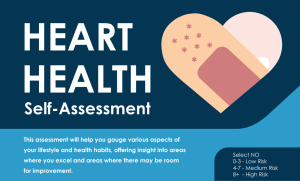
Heart health goes beyond your lab work. Ask yourself the questions below to see how you might take action today to improve your health.
Sleep Check:
1. Have you ever been diagnosed with or experienced symptoms of sleep disorders such as sleep apnea or insomnia?
2. Do you notice any patterns of snoring, gasping for breath, or interrupted breathing during sleep, which could indicate a potential sleep-related breathing disorder?
3. How often do you wake up feeling unrested or fatigued, which can be a symptom of sleep disturbances that may impact heart health?
4. Do you work in excess of 55 hours a week?
5. Do you work nights, rotating shifts, or other variable schedules that interfere with your sleep cycle?
If you answered Yes, consider this: sleep disorders, poor sleep hygiene, and excessive or unpredictable work hours can disrupt sleep patterns and contribute to inadequate rest, leading to potential strain on the heart due to increased stress hormones and inflammation. The link between poor sleep and heart health may result in high blood pressure and heart disease. Discuss your sleep habits and how they might be affecting your heart health with your doctor.
Nutrition Check:
1. Do you regularly consume foods that are high in saturated fats, trans fats, or cholesterol, which can contribute to elevated blood lipid levels and increase the risk of heart disease?
2. Are you mindful of your sodium intake, and do you make an effort to limit your consumption of high-sodium processed foods, which can raise blood pressure and strain the heart?
3. Do you plan ahead each day to ensure your workday incorporates heart-healthy foods into your diet, such as whole grains, nuts, and seeds, which have been shown to support cardiovascular health?
4. Does your workplace lack a wellness initiative or education on nutrition and heart health?
If you answered Yes, consider this: Your workplace environment can significantly influence your nutrition choices, which in turn can impact the risk of heart disease. Busy work schedules, limited access to healthy food options, and workplace stress may lead to reliance on convenient but unhealthy foods high in saturated fats and refined sugars, contributing to poor dietary habits and increased cardiovascular risk. Employer-led health initiatives contribute to a workplace that supports and encourages healthy dietary choices. Providing education on nutrition and heart health plays a crucial role in reducing cardiovascular risk among employees.
Activity Level Check:
1. Do you rarely engage in exercises that specifically target cardiovascular health, such as aerobic activities like brisk walking, cycling, or swimming?
2. Does your workplace require prolonged sitting or inactive periods throughout the day?
3. Does your workplace fail to encourage physical activity or exercise during breaks or outside of work hours?
4. Do you not prioritize structured exercise or physical activity on a regular basis (e.g., walking, jogging, gym workouts)?
5. Are there barriers or challenges specific to your workplace that prevent you from being more physically active (e.g., time constraints, physical limitations)?
If you answered Yes, consider this: Try goal setting to prioritize incorporating regular cardiovascular exercise into your routine. Find ways to reduce sedentary behavior at work, like taking the stairs when possible or incorporating a stretching routine during your breaks. Regular physical activity can help manage weight, improve blood sugar control, and reduce anxiety. It will also improve bone and joint strength, leading to improved mobility and increased activity. Overcoming barriers to physical activity in the workplace can help improve your cardiovascular health and your risk of heart disease.
Mental Health Check:
1. Do you find yourself frequently experiencing conflict or tension with colleagues or supervisors?
2. Are you hesitant to communicate openly with coworkers or address concerns due to fear of backlash or negative repercussions?
3. Do you often feel isolated or disconnected from your coworkers, lacking a sense of camaraderie or support in the workplace?
4. Have you observed a lack of teamwork or cooperation among coworkers, hindering productivity and morale?
5. Do you feel undervalued or unappreciated for your contributions to the workplace, leading to feelings of resentment or dissatisfaction?
If you answered Yes, consider this: Recognizing and addressing strained or negative work relationships is crucial for both personal well-being and professional success. Unresolved conflicts and poor interpersonal dynamics in the workplace can negatively impact mental health and contribute to stress-related health issues, including cardiovascular problems. Take proactive steps to address any underlying issues, whether through open communication, conflict resolution strategies, or seeking support from HR or management. Investing in healthy work relationships can lead to a more positive and fulfilling work environment, benefiting both your emotional health and overall heart wellness.
The connection between heart health and occupational well-being is more crucial than ever. By addressing sleep quality, nutrition, physical activity, and mental health in the workplace, individuals can take proactive measures to safeguard their cardiovascular wellness. Remember, even small changes can yield significant benefits for heart health. Whether it’s prioritizing restful sleep, making mindful food choices, staying active throughout the day, or fostering positive work relationships, each step taken towards a heart-healthy lifestyle is an investment in a longer, happier, and healthier life.
Together, we can raise cardiovascular health awareness and adopt workplace screenings and wellness programs to create a healthier, more resilient workforce! Fill out this form and get a Heart Health Assessment for your employees.

How Can We Help?
Work Health Solutions offers comprehensive healthcare solutions for your medical needs. Our qualified team treats patients and employers alike and always provides top-quality service. We back our quality service with years of experience working with academic and research institutions, corporate healthcare, Fortune 25 companies, small governments, and local businesses. Reach out today with any questions about how we can assist you!