Healthy lungs allow us to breathe easily, ensuring our bodies can adequately oxygenate. However, lung health can quickly deteriorate if not properly cared for, leading to disease and illness. Lung disease refers to a wide set of diseases that affect the function and capabilities of the lungs. It can range from minor respiratory infections to chronic conditions such as chronic obstructive pulmonary disease (COPD) and even lung cancer. These diseases can severely inhibit one’s quality of life, and many can even lead to death. Knowing the signs and symptoms of lung disease can help you get an early diagnosis and improve outcomes. In this article, we will explore the most common types of lung disease, the signs and symptoms of lung disease, risk factors, and prevention measures.
Understanding Lung Disease
The phrase “lung disease” does not refer to just one condition. Instead, it encompasses a family of diseases ranging from minor respiratory infections to chronic illnesses. Here are some of the most common types of lung disease:
Chronic Obstructive Pulmonary Disease (COPD)
Affecting nearly 16 million Americans, chronic obstructive pulmonary disease (COPD) is a set of lung diseases that block the airway making it more difficult to breathe. This condition is progressive, meaning it worsens over time due to the build-up of inflammation. COPD is often caused by long-term exposure to allergens, workplace dust, and cigarette smoke. Unfortunately, there is no cure for COPD, but there are many treatment plans that can help people manage the disease.
Asthma
Asthma is a chronic respiratory condition that limits the airways. Inflammation in the airways causes them to narrow, thus making it harder for individuals to breathe. Some people may experience more severe or mild versions of asthma. Things like exercise, cold air, and dust commonly trigger asthma symptoms. Like COPD, asthma cannot be cured. However, individuals can manage their condition with the help of their healthcare provider.
Lung Cancer
Lung cancer is the most dangerous form of cancer, accounting for 1 in 5 cancer deaths every year. Symptoms of lung cancer can include persistent coughing, chest pain, shortness of breath, and coughing up blood. There are several treatment types depending on the stage of cancer. Early detection is crucial for improving outcomes.
Pulmonary Fibrosis
Pulmonary fibrosis is a progressive lung disease that causes scarring and thickening of the lung tissue, which makes it harder to take full breaths. The cause of pulmonary fibrosis is unknown and can be attributed to various environmental and lifestyle factors.
Pneumonia
Pneumonia is a common lung infection that bacteria, viruses, or fungi can cause. This infection can range from mild illness to more severe disease. It can affect people of all ages but is more common in young children and older adults.
Understanding the various types of lung disease informs individuals about the dangers of lung disease and the importance of recognizing the signs and symptoms.
Signs and Symptoms of Lung Disease
Each type of lung disease comes with its own unique set of signs and symptoms. However, most respiratory conditions share some symptoms, like a dry cough, shortness of breath, wheezing, chest pain, and coughing up blood. Other symptoms may include fatigue, fever, and unexplained weight loss. Frequent respiratory infections can also indicate a chronic respiratory problem. It is important to note that many more serious conditions may have no symptoms in the early stages. This underscores the need for regular lung health checkups and early detection.
Risk Factors for Lung Disease
There are several risk factors for lung disease, including:
- Smoking
- Exposure to Second-hand Smoke
- Environmental Factors
- Occupational Hazards
- Exposure to Allergens
- Pre-existing Conditions.
It’s important to note that not all individuals with these risk factors will develop lung disease, and other factors may also increase the risk, including other lifestyle factors. Understanding the risk factors for lung disease can help individuals take precautions against chronic lung disease.
The Importance of Early Intervention
Early detection and intervention are crucial for preventing the progression of dangerous lung diseases like COPD. Studies show that early detection of lung cancer can significantly improve outcomes and reduce treatment time. Individuals should prioritize their regular health checkups. These appointments can help detect lung issues before symptoms become severe and the disease progresses. This is particularly important for individuals with risk factors like a history of smoking or a family history of lung disease.
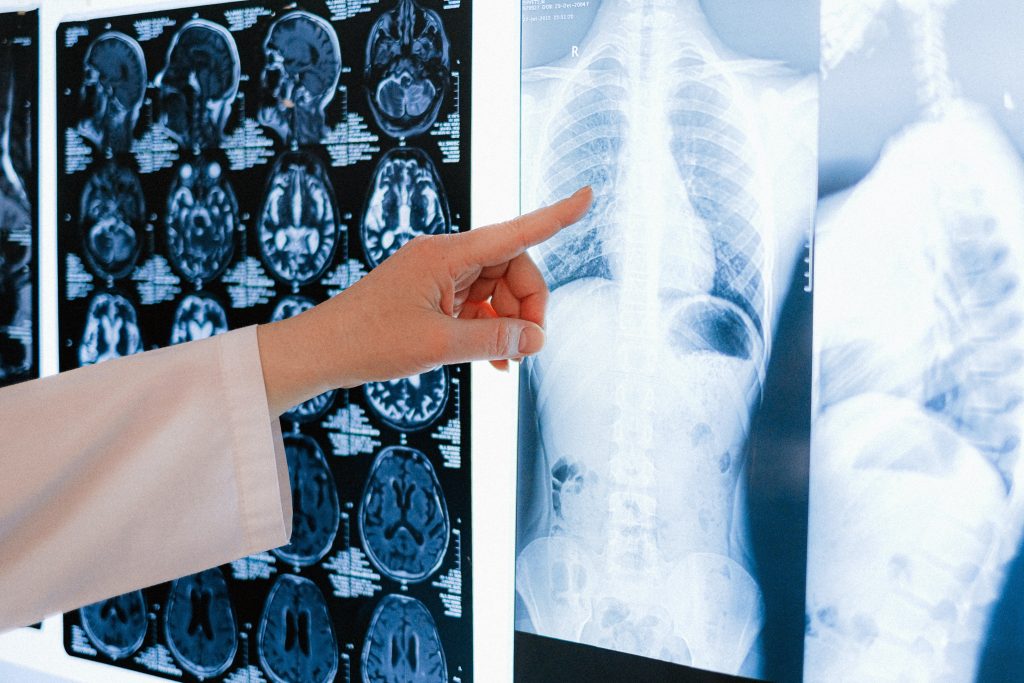
Physicians can use a variety of screenings and exams to evaluate lung health and function. Doctors often use a stethoscope to listen to your lungs as you breathe. More advanced testing, like chest X-rays or CT scans, can be used if lung disease is suspected.
Early detection of lung disease allows for prompt initiation of treatment, leading to better outcomes and improved quality of life. This early intervention reduces complications that can develop with advanced lung disease. Beyond the physical benefits, early detection can also provide economic advantages to individuals. Early detection can reduce healthcare costs associated with advanced or emergency medical treatments. By identifying disease early and getting prompt treatment, individuals can experience improved overall health and wellness.
Preventing Lung Disease
Luckily, there are several ways to reduce your risk of developing lung disease. These preventative measures seek to reduce your exposure to irritants and hazardous materials. Smoking cessation is one of the greatest ways to prevent the development of lung disease. Studies show that smoking is responsible for almost 80% of lung cancers. Smoking cessation reduces your risk of lung disease and contributes to improved quality of life. Additionally, getting regular physical exercise can also improve lung health and function. Physical activity enhances lung capacity, respiratory function, and overall well-being.
Many workers are exposed to occupational respiratory hazards. If your workplace is fraught with occupational hazards, speak with your employer about mitigating risk in the workplace. Employers should conduct respiratory risk assessments to identify potential hazards and institute preventative measures to reduce risk.
Individuals can take proactive steps to enhance and protect their respiratory well-being by making informed choices and promoting lung health.
How Can We Help?
Work Health Solutions offers comprehensive healthcare solutions for your medical needs. Our qualified team treats patients and employers alike and always provides top-quality service. Our quality service is backed by years of experience working with academic and research institutions, corporate healthcare, Fortune 25 companies, small governments, and local businesses. Reach out today with any questions about how we can assist you!