Though vital, many individuals take their lung health for granted, only worrying about it when problems arise. As the leading cause of cancer death in the world, lung cancer takes almost 130,000 lives every year. Our respiratory systems face numerous challenges and hazards in our daily lives, from environmental pollutants to lifestyle choices that can compromise lung function. Let’s explore the importance of respiratory health and present tips for maintaining healthy lungs. Keep reading to learn how to keep your lungs strong!
Importance of Respiratory Health
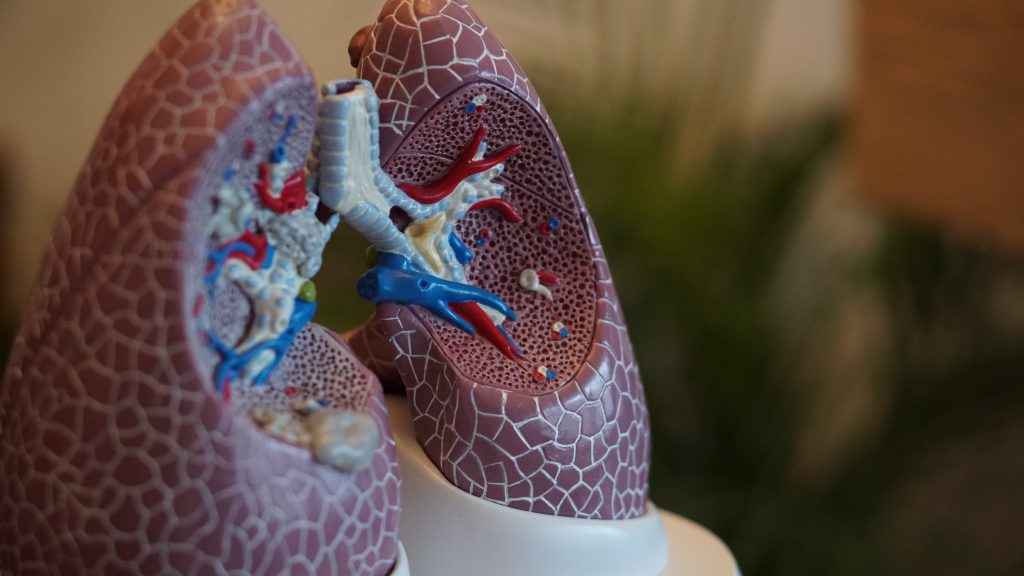
Our respiratory system is comprised of several organs and structures that work together to exchange carbon dioxide for oxygen, sustaining our lives. The lungs, a pair of spongy organs in our rib cages, take center stage in the respiratory system, as they are the primary organ responsible for respiration. Healthy lungs ensure that we can properly oxygenate our bodies and breathe easily. However, there are many threats to the health of these organs.
Smoking and secondhand smoke are among the most notorious threats to lung health. The chemicals in tobacco smoke can cause inflammation of the airways and damage to the lungs, leading to conditions such as chronic bronchitis and emphysema. Beyond smoking damage, environmental pollutants, like dust, industrial emissions, and pollen, can also irritate airways and cause respiratory issues. Finally, respiratory infections, like pneumonia and COVID-19, can have a severe, long-term impact on lung health, often leading to chronic respiratory diseases like chronic obstructive pulmonary disease (COPD). Addressing these common threats and lifestyle factors is crucial for promoting and preserving optimal lung health.
Strategies for Healthier Lungs
Maintaining a healthy set of lungs is essential for your overall health and well-being. Here are some tips for improving your respiratory health and supporting your overall wellness!
1. Avoid Smoking
Smoking is the leading cause of lung cancer, leading to about 80 of lung cancer deaths and 30% of all cancer deaths. Cigarette smoke creates over 6,000 chemicals, many of which can be dangerous to your lung health. This smoke is not only dangerous for the smoker but also for bystanders who inhale it. If you are a smoker, the best way to protect your lung health is to quit smoking. Many organizations and healthcare facilities offer smoking cessation programs to help people who smoke quit their habit and lead a healthier lifestyle.
2. Protect Against Lung Irritants
Lung irritants like air pollution and household irritants can cause inflammation and lung damage. Exposure to environmental pollutants can cause a range of respiratory problems, from coughing and wheezing to more serious conditions like asthma and lung cancer. Particularly for those working in manufacturing or living in cities with high pollution, it is important to protect yourself from these environmental pollutants. Wear proper personal protective equipment (PPE) like respirators to protect your lungs from occupational hazards at work. Additionally, many weather apps have a section dedicated to air pollution levels. This can tell you the air quality in your area at any given time. Avoid spending time outside when air pollution is high, which can increase your risk of developing lung issues.
3. Maintain a Healthy Lifestyle
A healthy lifestyle is crucial for maintaining healthy lungs. Regular exercise is essential for maintaining healthy lungs. Exercise works your lungs just like it works your body, which helps to increase lung capacity and strength. The CDC recommends that healthy adults get approximately 150 minutes of moderate exercise each week, or 30 minutes 5 days a week.
Eating a balanced diet goes hand in hand with exercise. Choose a diet rich in nutrient-dense vegetables, whole grains, and lean proteins. This will help ensure you get the right amount of vitamins and minerals necessary for optimal lung function.
Sleep is also essential to many bodily functions, including brain, heart, and lung health. Studies show insufficient sleep restricts your lung capacity and can cause long-term damage. The CDC recommends that most adults sleep at least 7 hours each night.
4. Practice Good Respiratory Hygiene
Respiratory hygiene, like covering your nose and mouth when you sneeze and cough, can prevent the spread of respiratory diseases, promoting long-term lung health. Be sure to wash your hands before and after touching your nose, eyes, or mouth. Also, avoid coming into close contact with people with colds or other respiratory illnesses like COVID-19 and influenza. Staying up to date on your vaccinations can also prevent infection.
5. Monitor Your Lung Health
Keeping up with your regular physicals and medical appointments is essential for maintaining your lung health and catching lung disease early. Here are some of the screenings and tests that can help identify lung problems beyond your regular physical:
- Spirometry. This is a simple test that measures how much air you can breathe in and out, as well as how quickly you can exhale. This test can detect lung conditions like asthma and chronic obstructive pulmonary disease (COPD).
- Chest X-Ray. This kind of X-ray can detect issues like lung cancer.
- CT Scan. A CT scan can give doctors a more detailed view of the quality of your lungs. This can be beneficial in diagnosing a range of lung diseases.
Annual check-ups with your healthcare provider can also help identify any changes in your lung function or symptoms that may indicate a problem. If you are experiencing symptoms like shortness of breath, coughing, or chest pain, see your healthcare provider as soon as possible.
Lung health is crucial for your overall well-being. Start using these tips today to promote optimal respiratory health!
How Can We Help?
Work Health Solutions offers comprehensive healthcare solutions for your medical needs. Our qualified team treats patients and employers alike and always provides top-quality service. Our quality service is backed by years of experience working with academic and research institutions, corporate healthcare, Fortune 25 companies, small governments, and local businesses. Reach out today with any questions about how we can assist you!