The New Year offers us an opportunity to reflect, reset, and recommit to our health and well-being. However, sticking to your New Year’s resolutions can be challenging. Research shows that only 9% of Americans who make resolutions complete them. To combat this challenge, we have created a monthly guide to better health for 2024. Whether you are embarking on a new health journey or looking to refine your existing practices, this guide to better health is here to support and inspire your journey!
January: Prepping for the New Year
Coming off the holidays, it can often feel overwhelming to jump into your New Year’s resolutions, particularly those that deal with your health and wellness. With the various facets of health, it is often challenging to pick where to start, leading many to just forgo their resolutions altogether. A great place to start is by making all of your annual medical appointments. This sets you up for success for the whole year and ensures that you are being proactive for your health. Here are some of the appointments you may need to make:
- Annual Physical
- Annual Well-Woman Exam
- Annual Eye Exam
- Bi-Annual Teeth Cleaning
- Annual Skin Check
February: Promoting Heart Health
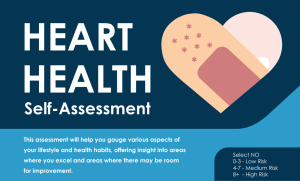
Maintaining a healthy heart is crucial for overall health and well-being, but it is often neglected. According to the CDC, 805,000 Americans have a heart attack every year. Additionally, heart disease is the leading cause of death for women. To maintain a healthy heart, it is important to exercise regularly, maintain a healthy weight, eat a balanced diet with plenty of fruits, vegetables, and whole grains, limit alcohol consumption, and avoid smoking. Making your annual primary care appointment is important for monitoring blood pressure and cholesterol levels. This February, we encourage you to take steps toward a healthy heart!
March: Digestive Health
Maintaining a healthy gut is important for overall health, as the gut plays a crucial role in digestion, nutrient absorption, and immune function. Affecting nearly 70 million people, digestive issues are extremely common. This March focus on developing a healthy gut through a balanced diet, hydration, and regular exercise. Be on the lookout for foods and drinks that disagree with your stomach and try to avoid them. Maintaining a healthy digestive system supports your overall health and well-being!
April: Stress Management
Stress can have a significant impact on the body, both physically and mentally. When the body is under stress, it releases hormones such as cortisol and adrenaline, which can increase heart rate and blood pressure, and lead to a range of symptoms, including headaches, muscle tension, digestive issues, and fatigue. Chronic stress, which affects nearly 35% of the American population, stress can also weaken the immune system and increase the risk of developing chronic diseases such as diabetes and heart disease.
In April, focus on finding ways to manage your stress. Stress management techniques like practicing relaxation techniques such as deep breathing or meditation, engaging in physical activity such as yoga or walking, or finding creative outlets such as writing or art can be effective at reducing the impact of stress on your life. By managing stress, individuals can reduce the negative effects of stress on the body and improve their overall health and well-being.
May: Nutrition
Incorporating nutrient-rich foods into your diet is essential for maintaining good health and preventing chronic diseases. However, only 10% of American adults consume the recommended amounts of fruits and vegetables, resulting in high rates of obesity and chronic illness. Here are some ways to create a balanced diet this May:
- Choose whole, unprocessed foods. Foods that are minimally processed tend to be more nutrient-dense than heavily processed foods.
- Add fruits and vegetables to every meal. Fruits and vegetables are packed with essential nutrients.
- Choose lean protein sources. Choose lean protein sources such as chicken, fish, beans, and lentils to build strong muscles and feel fuller longer.
- Choose healthy fats. Choose healthy fats like avocados, fish, and nuts.
- Incorporate whole grains. Whole grains are an excellent source of fiber, B vitamins, and other nutrients.
June: Get Active
Get active this June by incorporating regular physical fitness into your routine! Physical fitness Studies show that regular physical activity contributes to the primary and secondary prevention of disease. Exercise is also important for mental health, reducing stress and anxiety, improving mood, and promoting better sleep. Here are some tips for staying physically fit:
- Try to get around 30 minutes of moderate exercise 5 days a week.
- Incorporate strength training exercises at least two days a week to build and maintain muscle mass.
- Make exercise a part of your daily routine, whether it’s a morning walk, lunchtime yoga, or an evening bike ride.
- Find activities you enjoy to make exercise more enjoyable and sustainable.
July: Skin Health
The summertime often beckons us to outdoor activities like swimming, outdoor sports, and more. The bright sunshine and heat also bring about higher UV rays, which can be harmful to our skin. This July protect your skin by wearing high SPF sunscreen and regularly reapplying it throughout the day. This ensures that your skin is protected from cancer-causing UV rays and can prevent premature aging. Additionally, be sure to stay hydrated and eat a balanced diet to promote skin health.
August: Stay Hydrated
Staying hydrated is important for numerous bodily functions and overall health. Water is essential for maintaining the balance of bodily fluids, which helps regulate body temperature, transport nutrients, and aid in digestion. Dehydration can lead to fatigue, dizziness, and headaches, and can cause serious health problems in severe cases. Adequate hydration is also essential for those who engage in physical activity, as it helps prevent heat-related illnesses and improve performance.
In August, set hydration goals for yourself. You can do this by marking lines on a water bottle, denoting how much water you want to drink by certain times of the day. This can help you stay on track and identify how much water you consume!
September: Mental Health
Studies show that about 1 in 5 adults deal with mental illness every year. Mental health is essential for overall well-being, affecting how we think, feel, and behave in our daily lives. Good mental health allows us to cope with the challenges of life, build strong relationships, and lead fulfilling lives. This September prioritize your mental health by taking part in activities that you enjoy, spending time with your friends and family, and spending some time in nature.
October: Sleep Hygiene
Getting enough quality sleep is essential to many bodily functions. However, only about 30% of people get the recommended 8 hours of sleep regularly. Poor sleep can lead to a variety of physical and mental health issues, like obesity, chronic illness, and depression. To improve sleep, it’s important to establish a consistent sleep routine, which includes going to bed and waking up at the same time every day. Creating a relaxing sleep environment by reducing noise and light levels, maintaining a comfortable temperature, and avoiding screen time before bed can also promote better sleep. Avoiding caffeine and heavy meals before bedtime, as well as limiting alcohol and nicotine, can also help. By making these changes and prioritizing sleep, individuals can experience better physical and mental health.
November: Immune System Boosters
With November comes wintery chills and cold and flu season. Boosting your immune system is important for overall health and can help you fight off illnesses and infections. Here are some tips for improving your immune system:
- Wash your hands regularly
- Make sure you are up to date on your vaccinations, including your flu vaccine
- Eat a balanced diet, rich in immune-boosting vitamins and minerals like vitamin C and zinc
- Avoid touching your nose, eyes, and mouth with unwashed hands
December: Reflection and Goal Setting for the Next Year
As 2024 comes to a close, take a look back at everything you accomplished and be proud of yourself! Even if you did not achieve all the goals you set for yourself, you made progress toward a healthier you. December is a great time to make adjustments to your health goals and set This is a great time to reflect on your achievements, adjust your goals, and make new strides towards your health and well-being in 2025.
Prioritize your health this New Year and take strides toward a better you by following this monthly guide!
How Can We Help?
Work Health Solutions offers comprehensive healthcare solutions for your medical needs. Our qualified team treats patients and employers alike and always provides top-quality service. Our quality service is backed by years of experience working with academic and research institutions, corporate healthcare, Fortune 25 companies, small governments, and local businesses. Reach out today with any questions about how we can assist you!