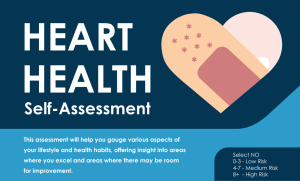
Work-related stress is far too prevalent in the United States. According to research by the American Institute of Stress in 2022, about 83% of American workers experience work-related stress. This stress can lead to problems in other areas of an employee’s life, such as their family, relationships, mental health, and physical health. Luckily, there are ways employers can assess and reduce the amount of stress experienced by employees in the workplace.
The Impact of Stress
Work-related stress can wreak havoc on employees’ health and performance. Chronic stress can lead to an increased risk of stroke, high blood pressure, heart attack, and hypertension, among other issues. Prolonged stress can also negatively affect employees’ mental health long-term, contributing to the development of severe mental health conditions like depression and anxiety.
Organizations are also affected by work-related stress. Stressed-out employees find it difficult to concentrate on their work, make decisions, and perform their work effectively, which may lead to delays in organizational productivity. A stressful work environment can also lead many employees to seek alternative employment, leading to high turnover rates and poor workplace morale. To mitigate these risks, employers must find ways to reduce the impact of stress on their employees.
6 Common Sources of Stress in the Workplace
Though work-related stress can have many causes, here are some of the most common sources of this anxiety.
Negative Workplace Culture
Workplace culture plays a vital role in employee wellness. A positive workplace culture can encourage innovation, productivity, and reliability. On the other hand, a toxic culture, full of drama and dysfunction, prevents employees from reaching their fullest potential. Activities like micromanaging, bullying, harassment, judging, and cliques can significantly increase employee stress.
Poor Communication
Poor communication can come in many forms. It can occur in teams, departments, and across an entire organization, causing misunderstandings and frustration. Without proper communication and communication channels, employees will be less informed, more confused, and more anxious.
Low Salary
In the American Psychological Association’s 2022 Work and Well-Being Survey, low pay remains one of the top factors contributing to workplace stress. A low salary can mean different things in different industries and locations. However, across the board, it leads to work and personal stress for the employee, particularly during rapid inflation.
Little Room for Advancement
Employees naturally desire to advance in their careers. If they do not find their work challenging or see no clear path to advancement, they may become stagnant and complacent.
Issues with Work-Life Balance
An overly heavy workload or lack of boundaries can cause unnecessary stress to employees. Piling on extra projects and tasks on top of an employee’s contracted duties can be harmful to their mental health, particularly if they are not compensated for the additional work.
Lack of Support
Unrealistic expectations of employees can contribute to stress. Expecting employees to keep their work phones on at all times or come in on weekends is unrealistic, particularly if these expectations are not reflected in their paystubs.
These sources of stress can wreak havoc on the workplace, leading to low productivity, absenteeism, and increased turnover. Employers must seek out strategies to mitigate these factors.
How to Identify Stress in the Workplace
Stress has several common identifiers. Employers should look for sudden changes in employee behavior, such as mood, exhaustion, and optimism. Additionally, sudden changes in appearance, like rapid weight loss or weight gain, can indicate stress. Here are some other common identifiers:
- Irritability
- Lack of concentration
- Increased absenteeism
- Aggression
- Impatience
- Isolation
- Decreased creativity
Additionally, employers often examine sales and other deliverables to identify obstacles or issues with stress. This can provide general insight into whether or not employees are experiencing stress.
More importantly, employers should look at the whole picture of an employee’s experience within the organization. Ask yourself questions such as, “Who do employees regularly interact with? What does their average workload look like? What does their average pay look like?” These questions, and others, can give employers a better sense of their employees’ stress sources.
Managing Employee Stress
First, it is essential to recognize that not all stress is work-related. An employee may exhibit indicators of stress due to personal or familial issues. Regardless of where the anxiety stems from, there are steps employers can take to manage employees’ stress.
Ask Employees
Start by honestly asking your employees about their experience in the workplace. This can be done through anonymous surveys or in-person meetings. It is important to remind employees that the point of this exercise is for the employer to better understand employee experience, not to get them in trouble.
Implementing Stress-Related Wellness Initiatives
After surveying employees, employers may find implementing a wellness initiative to target specific stressors is helpful. This can be as simple as encouraging exercise with subsidized gym memberships or offering classes on coping mechanisms.
Offering Flexibility in Work Schedule
Being flexible in how, when, and where employees work can significantly reduce their stress. Some employees may feel better working from home, while others enjoy the separation between work and home life. Regardless of preference, this flexibility not only shows employees that you trust them to do their job, but it also gives them some more control over their job, which can reduce stress.
Providing On-Site and Off-Site Resources
Knowledge of and access to mental health resources can make all the difference in employee stress. Resources like an on-site counselor and stress-management classes can allow employees to get some training and help without going out of their way. You can also inform employees about therapists and classes that occur off-site if they prefer a more private experience.
Workplace stress is no joke. Without proper stress management tactics, organizations may see their financial health suffer. Start valuing employee well-being today and seek ways to reduce stress in your workplace!
How Can We Help?
Work Health Solutions offers comprehensive healthcare solutions for your medical needs. Our qualified team treats patients and employers alike and always provides top-quality service. Our quality service is backed by years of experience working with academic and research institutions, corporate healthcare, Fortune 25 companies, small governments, and local businesses. Reach out today with any questions about how we can assist you!