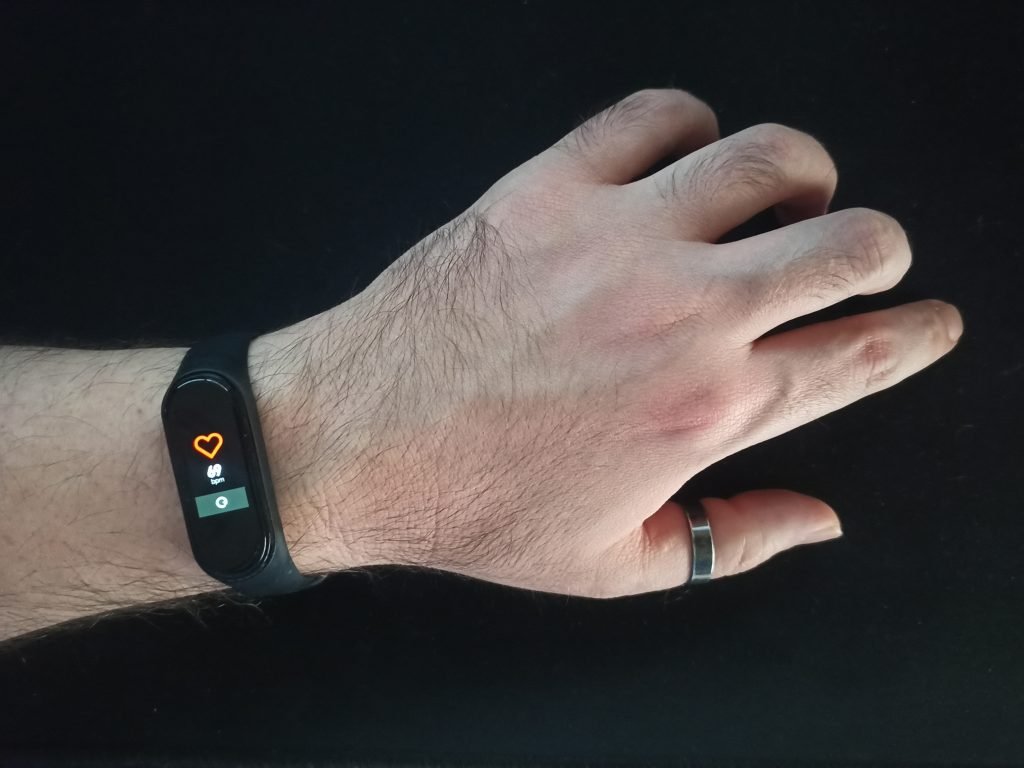
Integrating cutting-edge technology into wellness programs can be transformative for an organization. Biometrics are body measurements and health calculations related to individuals’ physical bodies. These measurements, such as blood pressure, heart rate, and body composition, can help organizations empower employees to monitor their health and take charge of their well-being. This article explores the impact of biometrics in employee wellness programs and its role in the success of such programs. Read on to learn more about the intricacies of using biometrics in the workplace!
Biometric Measurements and Employee Wellness
The term “biometrics” encompasses an array of physiological markers that can offer insights into an individual’s health. In the context of employee wellness, this includes blood pressure, heart rate, body composition, and even biochemical markers like glucose levels. Each of these markers offers a peek into an employee’s wellness, allowing for a comprehensive health assessment.
Health tracking, or using biometric markers, provides real-time, quantifiable data about an employee’s health status. For example, tracking blood pressure can serve as an early indication of chronic stress or other health issues. Additionally, regular body mass and composition assessments can aid in weight management and prevent obesity-related conditions. This can help organizations develop more comprehensive wellness plans, improve employee well-being, and reduce healthcare costs.
Integrating biometric data into wellness programs provides many benefits to employees and organizations. First, it aids in developing a holistic view of employee health. This ultimately enables organizations to tailor wellness programs to employees’ unique needs.
Biometrics also measures a wellness program’s effectiveness and can indicate areas that need improvement.
Finally, health tracking empowers employees with a deeper understanding of their health. This will help them take charge of their health and increase participation in wellness programs. Ultimately, utilizing biometric data in wellness programs promotes healthier lifestyles and creates a more engaged and motivated workforce.
Implementing Biometric Tracking in Employee Wellness Programs
Implementing biometric tracking in a wellness program can be challenging, and organizations may receive pushback. Successful implementation of health tracking involves considering privacy and data security, employee education, and technology integration. These factors play pivotal roles in successfully utilizing biometric data for the betterment of both employees and the organization.
Privacy and Ethical Concerns
Naturally, using biometric tracking can create some privacy and data concerns. Creating a solid data encryption protocol is essential. Robust encryption protocols should be utilized during health data transmission and storage. This storage system should also be secure with limited access to authorized personnel. Additionally, create a clear data retention policy that avoids keeping biometric information longer than necessary. Developing these policies and explaining them to employees is essential to assuring them that their health data is private and secure
Safeguarding employee data is not only good practice but also legally required. The Health Insurance Portability and Accountability Act (HIPAA) prohibits sharing individuals’ health information without explicit consent. To ensure all data and privacy protocols are up to standard, consult a legal team. Finally, organizations must obtain explicit consent from all employees to collect their biometric data. Communicate the purpose of data collection, how it will be used, and who can access it. This will give employees a clear understanding of the usage of health tracking.
Educating Employees
Gaining the full support of employees may be challenging. To encourage participation, organizations should invest in comprehensive education and communication efforts. This can involve offering onboarding sessions explaining how to use biometric tracking devices and health tracking benefits. These training sessions will enhance employees’ understanding of the significance of biometric data. Bringing in occupational health professionals to teach employees how to interpret their results can also be beneficial in gaining employee support.
By addressing these key considerations in implementing biometric tracking, organizations can establish a strong foundation for their employee wellness programs.
The Empowerment of Employees Through Biometric Data
Integrating biometric data into employee wellness programs benefits organizations and empowers individuals to take an active role in their health journey. One of the greatest advantages of integrating biometric data into wellness programs is giving employees real, tangible data about their health. This promotes a sense of self-awareness, which can motivate individuals to make positive changes in their lifestyles. Additionally, biometric data can help employees set realistic personal goals based on their health metrics and needs. This will also enable employees to monitor their progress over time and take action to improve their health and wellness.
Furthermore, biometric data can encourage proactive care and lifestyle changes. By understanding healthy biometric ranges, individuals can seek timely medical intervention and make lifestyle adjustments to prevent health issues from escalating. Additionally, this understanding can help employees prevent chronic illness through early intervention. Understanding biometrics empowers employees to take an active role in their health management, ultimately contributing to a healthier, more engaged workforce.
Utilizing Biometrics for Health Interventions
Using biometric data can help tailor employee wellness programs for certain health interventions. Biometric measurements can serve as early warning signs for potential health risks. This data provides baseline measurements for each employee. Deviations from these baseline numbers may indicate health risks or changes in health status. This allows organizations to identify health risks in their employee population and use the wellness program to address those risks.
Additionally, health tracking can play a pivotal role in detecting chronic illnesses, potentially preventing them from progressing to advanced stages. Early signs of chronic illness can include high blood pressure, high glucose levels, and high heart rate. Regularly monitoring biometric data can help individuals detect significant changes in their health that would otherwise go unnoticed.
For organizations, health tracking is a crucial tool for evaluating the effectiveness of wellness programs. By comparing biometric measurements before and after program participation, they can gauge the program’s success and adjust based on employees’ needs. Additionally, with the help of an occupational health professional, this data allows organizations to offer employees personalized health solutions, like personalized wellness plans and health clinics.
Incorporating biometrics into health interventions develops a culture of proactive care among employees and enhances the overall effectiveness of employee wellness programs. Health tracking in corporate wellness programs can create a healthier, happier, and more productive workforce.
How Can We Help?
Work Health Solutions offers comprehensive healthcare solutions for your medical needs. Our qualified team treats patients and employers alike and always provides top-quality service. We back our quality service with years of experience. We have worked with academic and research institutions, corporate healthcare, Fortune 25 companies, small governments, and local businesses. Reach out today with any questions about how we can assist you!