Creating a safe work environment is not only a regulatory requirement for employers but a moral imperative. Most employers must follow regulations set forth by the Occupational Health and Safety Administration (OSHA), which works to establish safety across every industry in the United States. Beyond the standard safety regulations, employers can take additional action to create a workplace that values employee health and safety. If you want to know how to improve your workplace, keep reading to learn more about the five steps to a safer workplace.
Management Commitment: The Prerequisite to a Safer Workplace
Workplace accidents and injuries can be devasting for employees. For employers, on-the-job injuries can lead to a loss of morale, increased litigation, and significant financial repercussions. Before a workplace can be safe, employers and management need to be committed to creating a safe workplace. Culture starts at the top, and if management is consistently committed to safety, the employees will follow suit.
A safer workplace has many benefits for employers. First, decreasing the number of on-the-job injuries also decreases worker’s compensation and healthcare costs. Studies have shown that employer investments in employee health and safety, like workplace wellness programs, can reduce healthcare costs by 87%. Workplace injuries and illnesses can have a serious negative effect on productivity. By creating a safer workplace, employers can show their employees they are valued and appreciated, thus boosting morale and productivity.
5 Steps to a Safer Workplace
Employ the following tips.
1. Conduct A Thorough Risk Assessment
A comprehensive risk assessment seeks to identify and evaluate workplace hazards. Employers can work with an occupational health professional to analyze the workplace and prior work-related injuries to identify risks to employee safety.
There are several types of hazards to watch out for. Physical hazards, like slippery floors and uneven surfaces, can lead to slips, trips, and falls. Exposure to chemicals like cleaning agents and solvents can lead to health problems like lung disease or eye irritation. Biological hazards are particularly present in healthcare and food service settings.
Once these hazards have been identified, it is essential to determine the likelihood of each risk occurring. This will provide employers with a basis for developing appropriate safety protocols.
2. Engage Your Employees in Developing Safety Protocols
All employees should feel empowered to create a safer, healthier workplace. Involve them in planning and implementing safety protocols. Your employees are on the front lines of the job, so they know where the hazards are. Employees can identify areas of concern that management may overlook.
Additionally, employees are more likely to adhere to the protocols and procedures they helped create. This will help ensure that your company’s policies are followed and enforced.
3. Provide Clear Safety Training
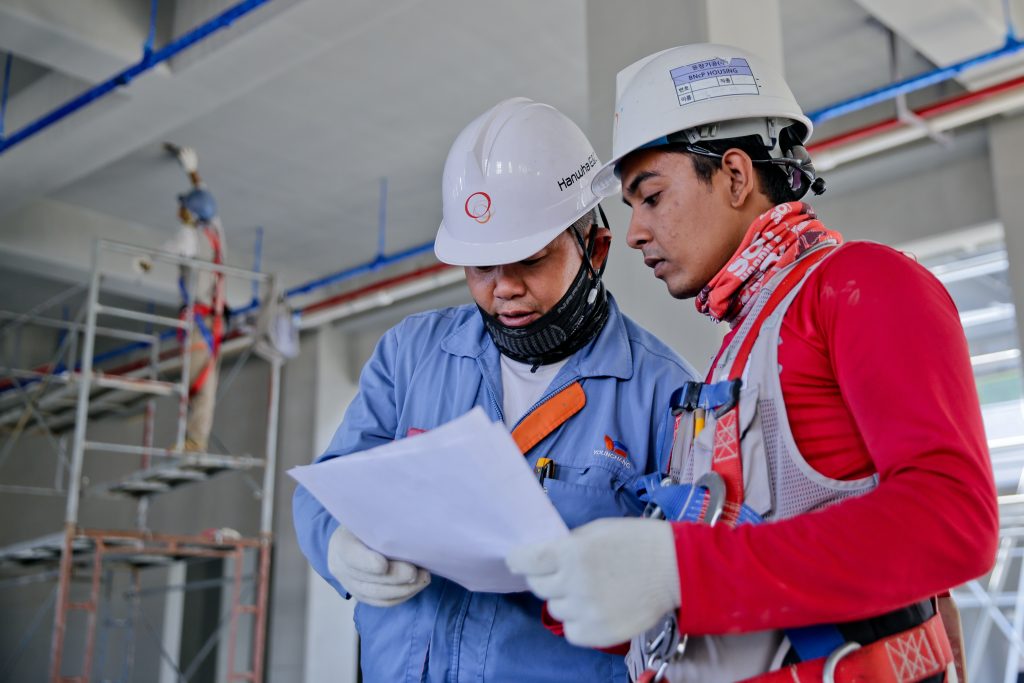
Safety training is essential to establishing a safer workplace. Everyone, including management, must be involved in proper safety training so that employees can correctly assess and handle worksite hazards and remove threats to safety. Safety training also allows employees to ask questions and gain clarification on safety protocols before they are on the job.
These educational sessions should include instructions on operating equipment, moving about the workplace, and maintaining machinery and personal protective equipment (PPE). All machinery should be appropriately labeled with any safety precautions and instructions for use. Employers should also conduct regular follow-up training to ensure every employee remembers the safety procedures. Reviewing safety protocols demonstrates the employer’s commitment to creating a safer workplace, leading to greater trust between employee and employer.
4. Create a Culture of Safety
Making safety a regular part of workplace conversation, apart from official safety meetings and training, is a great way to create a safer workplace. Employers should demonstrate and build trust, respect, and inclusion by creating a safety program. These values will create a solid foundation for a culture of safety, where safety is a natural part of employees’ daily lives. Consistently following safety procedures as an employer will cause employees to follow. Ultimately, a safety culture will help reduce work-related injuries and illnesses.
5. Hold Employees Accountable for Upholding Safety Protocol
Employees should be held accountable for upholding safety protocols. They should feel empowered to discuss and adjust these protocols and report incidents and near misses. This would make safety a clear priority and define what safety means for each employee.
One way to hold employees accountable is through a reward system. Though controversial, safety incentive programs can positively reinforce safety policies and reduce injuries and accidents in the workplace. One study conducted in 2010 showed that construction worksites that implemented a safety incentive program saw a 44.16% reduction in the mean lost-time workday injury rate. OSHA does allow for safety incentive programs as long as employers do not discourage employees from reporting accidents and hazards in the workplace.
Creating a safer workplace is crucial for all organizations, regardless of industry or size. Employers can use these five steps to develop a workplace that values employee health and safety.
How Can We Help?
Work Health Solutions offers comprehensive healthcare solutions for your medical needs. Our qualified team treats patients and employers alike and always provides top-quality service. Our quality service is backed by years of experience working with academic and research institutions, corporate healthcare, Fortune 25 companies, small governments, and local businesses. Reach out today with any questions about how we can assist you!