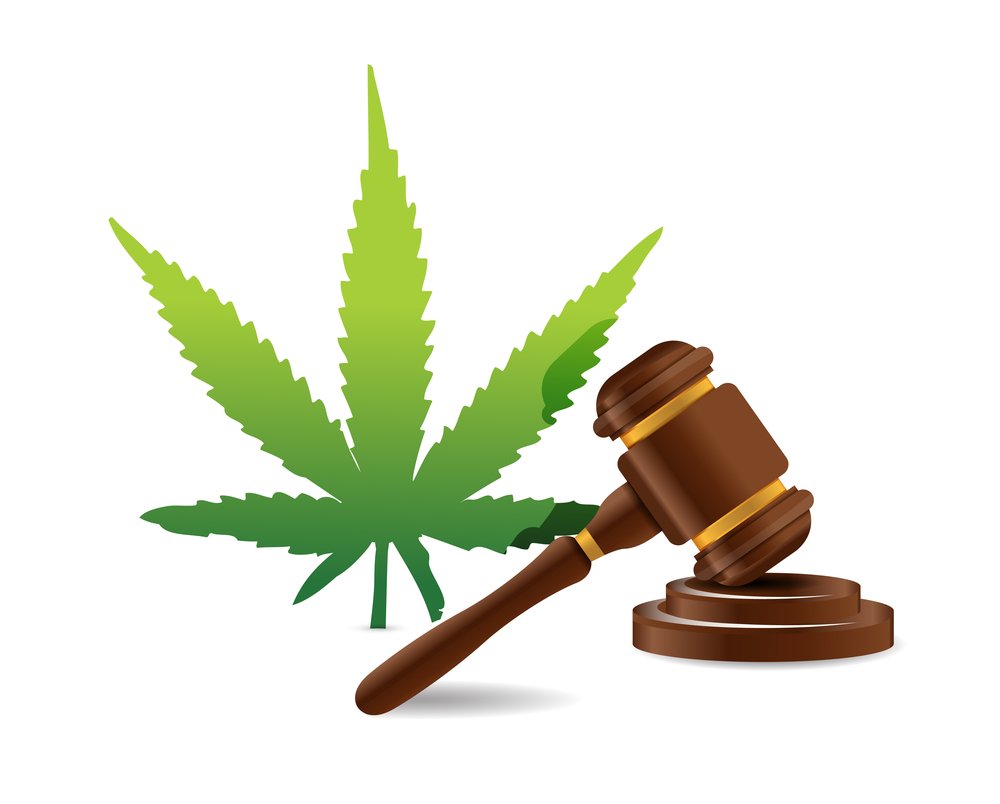
In recent years, the landscape of cannabis legislation has undergone significant changes, posing new challenges and considerations for employers across various industries. One such pivotal development is California Assembly Bill 2188, which is scheduled to take effect on January 1, 2024. This legislation marks a crucial shift in how employers must approach workplace drug testing, particularly concerning cannabis use. The bill’s introduction reflects evolving attitudes towards cannabis and its impact on workplace safety and employee rights.
Understanding AB2188: A Closer Look at the New Legal Framework
AB2188, approved on September 18, 2022, introduces significant changes in California employment law, specifically targeting cannabis use by employees outside the workplace. A core component of the bill is its prohibition against discrimination based on tests for non-psychoactive cannabis metabolites. It highlights a critical distinction: while THC, the psychoactive compound in cannabis, indicates impairment, its metabolites do not. These metabolites, remnants of THC processing in the body, can linger for days or weeks without implying current impairment. AB2188’s framework challenges employers to reassess their drug testing methods, shifting focus from past usage indicators to current impairment detection.
Though AB2188’s regulations are currently confined to California, they may pave the way for similar legislative trends across other states. This anticipation necessitates a forward-looking approach from businesses nationwide, urging them to reevaluate and adapt their drug testing and employment practices in line with these emerging standards.
Decoding THC Testing and Impairment: A Complex Challenge
Understanding the nuances of THC’s effects and its detection is vital in navigating the implications of AB2188. THC’s fat solubility and the body’s processing methods create a complex relationship between THC levels in the blood and actual impairment. This complexity is highlighted in the Indigent Defense Services’ “Marijuana Impairment FAQ”, which stresses that blood concentrations of THC and its metabolites are insufficient to prove impairment. Unlike alcohol, where blood concentration is a reliable impairment indicator, THC levels vary significantly based on factors like consumption methods and individual metabolism. Consequently, a positive THC test does not necessarily indicate current impairment, nor does a negative test rule it out. This inconsistency presents a significant challenge for employers in objectively assessing impairment and underscores the need for comprehensive evaluation beyond mere THC level detection.
The Ripple Effect on Employers and Occupational Health Services
The enactment of AB2188 necessitates a strategic pivot for employers, especially in industries where safety is paramount. Employers must now find reliable methods to detect acute cannabis intoxication, aligning with the law’s stipulations. This transition involves adopting new testing techniques and reevaluating workplace policies and procedures.
Guidance for Employers on Policy Update
With AB2188 reshaping the legal landscape, employers are encouraged to review and update their drug testing policies. This update should focus on adopting testing methods that accurately reflect current impairment, as opposed to past cannabis use. A crucial aspect of this process involves comprehensive documentation of all potential signs of impairment, including behavioral observations and statements from employees or co-workers. Employers should also be aware of the legal nuances, particularly in sectors exempt from certain provisions of AB2188. Consulting with legal advisors is essential to ensure state and federal regulations compliance.
Future Developments and Support from Work Health Solutions
As the science of cannabis impairment detection continues to evolve, Work Health Solutions remains committed to staying abreast of the latest developments. This includes monitoring advancements in testing technologies that could offer more precise indicators of recent cannabis consumption. Work Health Solutions provides essential support to employers navigating these changes through our Fractional Medical Director program and other services, ensuring that our approaches to workplace safety and health remain legally compliant and scientifically sound.
For a more detailed exploration of WHS’s specific initiatives and strategies in response to AB2188, employers and stakeholders are encouraged to consult with WHS directly.
Conclusion: Staying Ahead in a Changing Environment
In conclusion, AB2188 represents a significant shift in the approach to cannabis use in the workplace, challenging employers to adapt their policies and practices. Employers can effectively navigate this changing landscape by staying informed, consulting with experts, and embracing new testing methodologies. For further guidance and support, Work Health Solutions stands ready to assist in aligning workplace practices with the latest legal and medical standards.