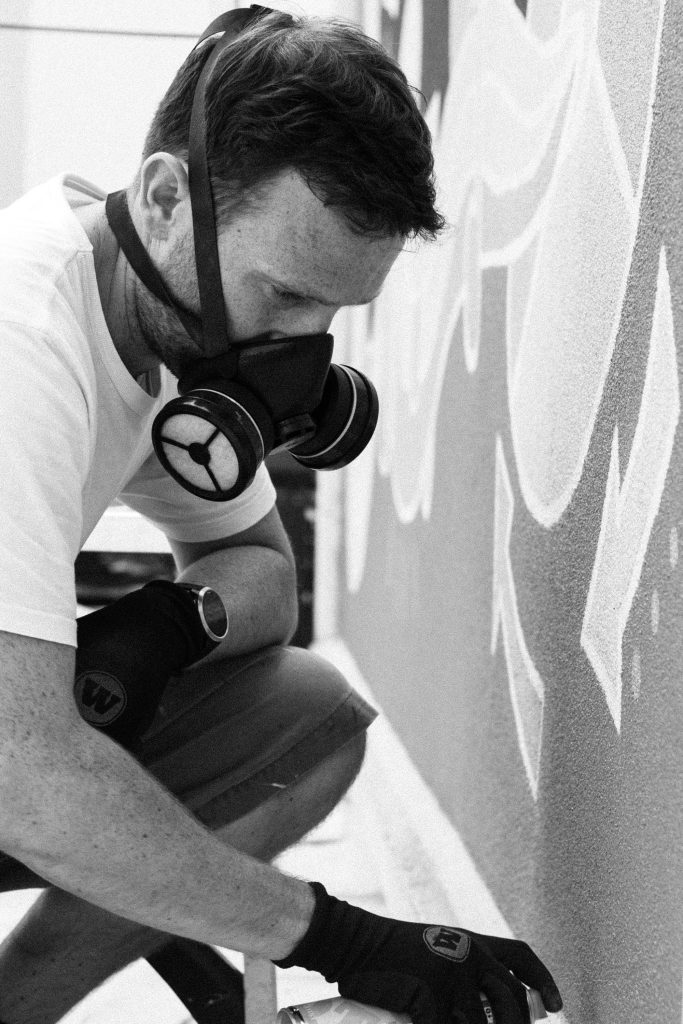
Ensuring the well-being of employees is paramount in every industry. Respiratory protection can be an essential tool for protecting employees from respiratory hazards. The Occupational Safety and Health Administration (OSHA) requires employers to provide employees with properly fitting respirators in a variety of industries, including construction, shipyards, and general industry. The air employees breathe within these work environments can contain invisible threats, ranging from particulate matter and toxic gases to infectious agents. Let’s learn more about keeping employees safe from respiratory hazards!
Understanding Respiratory Hazards in the Workplace
Respiratory dangers exist in many workplaces, such as construction sites, manufacturing floors, healthcare facilities, agricultural fields, laboratories, and more. Particulate matter, such as dust and other fine particles, can lead to respiratory issues ranging from irritation to chronic conditions like pneumoconiosis. Particulate matter comes from activities like grinding, sanding, and demolition and is a common hazard in the construction industry.
Additionally, chemical and biological hazards can expose employees to hazardous fumes and airborne pathogens. Manufacturing plants frequently handle chemicals and solvents, exposing workers to potentially toxic gases. In the medical industry, tuberculosis is the best-known airborne pathogen.
Exposure to respiratory hazards can lead to mild irritation and even life-threatening illnesses. Mild discomfort and irritation due to particulate exposure manifests as throat irritation, mild cough, and sneezing. Some hazards may lead to acute respiratory conditions like bronchitis or pneumonia. Regular exposure to respiratory hazards without a properly fitting respirator can cause chronic health issues like asthma or lung cancer. To mitigate these risks, respirator fit testing is used to ensure that the protective equipment chosen is appropriate for the specific hazard and optimally fitted to the individual worker.
The Purpose and Benefits of Respirator Fit Testing
When properly fitted, a respirator forms a barrier between the wearer’s respiratory system and the surrounding air, effectively preventing the ingress of harmful particles, gases, or pathogens. Fit testing guarantees the proper fit and seal of respirators worn by employees. Poorly fitting respirators leave employees open to hazards, allowing airborne contaminants into the employee’s system. Fit testing tailors each respirator to the wearer to enhance comfort, compliance, and effectiveness. This enhanced effectiveness can reduce the risk of occupational illness from exposure to respiratory hazards. This leads to fewer days lost due to sickness, improved productivity, lower healthcare costs, and improved worker well-being. Additionally, studies show properly fitting respirators successfully prevent chronic respiratory conditions, particularly in healthcare.
Best Practices for Respirator Fit Testing
Respirator fit testing is an essential aspect of workplace safety. A thorough, accurate testing process involves a combination of education, attention to detail, technical precision, and compliance.
Preparing for Fit Testing: Education and Training
The first step to a comprehensive fit testing program is to educate workers about respiratory safety and the importance of respiratory protection. This should include discussions of hazards specific to their workplace, the respirators’ purpose, and their role in ensuring the workplace’s safety. Next, employees should receive clear training on how to wear, use, and maintain their respirators. Ensuring they know how to check for a proper seal is also important.
Selection of Proper Respirators
Different tasks and jobs may require different types of respiratory protection. For example, a surgeon will need a different type of protection than a welder. Conduct a thorough assessment of job tasks and the associated respiratory risks. Based on this assessment, choose respirators that provide the necessary protection while considering comfort and communication ability.
Conducting Fit Tests
There are two types of fit testing: qualitative and quantitative. Qualitative testing relies on a subjective response from the wearer to a test agent, typically a sweet or bitter smell. This test ensures that the wearer does not knowingly inhale unsafe particles. The quantitative test uses objective measurement tools, like particle counters or aerosol generators, to determine the level of exposure the wearer experiences. Both types of tests should be conducted to ensure worker safety.
Compliance with Regulatory Organizations
Respirator fit testing is not just a good practice. It is required in many jurisdictions and for many industries. OSHA requires annual fit testing to consider an employee’s natural changes, such as body weight, and the respirator’s effectiveness. Studies show that respirator fit changes over time, so annual testing is essential for keeping employees safe.
By adhering to these best practices, organizations can establish a robust respirator fit testing program that meets regulatory requirements and ensures the safety and well-being of their workforce.
The Role of Occupational Health in Respirator Fit Testing
Occupational health professionals play a central role in the respirator fit testing process. First, these professionals possess expert knowledge about the dangers of respiratory hazards in the workplace and can help employers mitigate these risks through elimination and protection for employees. Additionally, they can select the proper protective equipment for different jobs and workplaces. Occupational health professionals can accurately administer fit tests, utilizing the proper methods and equipment to ensure the utmost safety for employees.
Beyond fit testing, these professionals can assess employees’ health conditions to determine their suitability for respirator use, monitor ongoing health status, and collaborate with healthcare providers when needed. They also provide education and training to employees regarding workplace hazards and the importance of workplace safety standards. Overall, their comprehensive approach ensures that respirators are properly fitted and safe for employees.
How Can We Help?
Work Health Solutions offers comprehensive healthcare solutions for your medical needs. Our qualified team treats patients and employers alike and always provides top-quality service. We back our quality service with years of experience. We have worked with academic and research institutions, corporate healthcare, Fortune 25 companies, small governments, and local businesses. Reach out today with any questions about how we can assist you!